At Hicon, we are committed to driving the circular economy by integrating sustainable materials into our high-performance outdoor socks. To reduce reliance on virgin resources and minimize water consumption, we have built a robust product line featuring advanced recycled fibers that deliver professional-grade durability and comfort.
Our Sustainable Material Portfolio
We engineer our performance socks using a curated selection of recycled fibers, ensuring every pair meets the rigorous demands of outdoor enthusiasts:
-
Recycled Polyester: Providing excellent moisture management and structural integrity.
-
Recycled Nylon: Enhancing abrasion resistance and long-lasting durability
Full Traceability & GRS Certification
Sustainability requires transparency. Hicon maintains a verifiable chain of custody for all materials used in our production.
-
GRS (Global Recycled Standard) Certified: Hicon and our strategic supply chain partners have been thoroughly inspected and assessed according to the Global Recycled Standard.
-
Verified Integrity: We guarantee full traceability for every yarn, providing our brand partners with the verifiable ESG data and compliance documentation necessary to meet today's stringent global sustainability requirements.
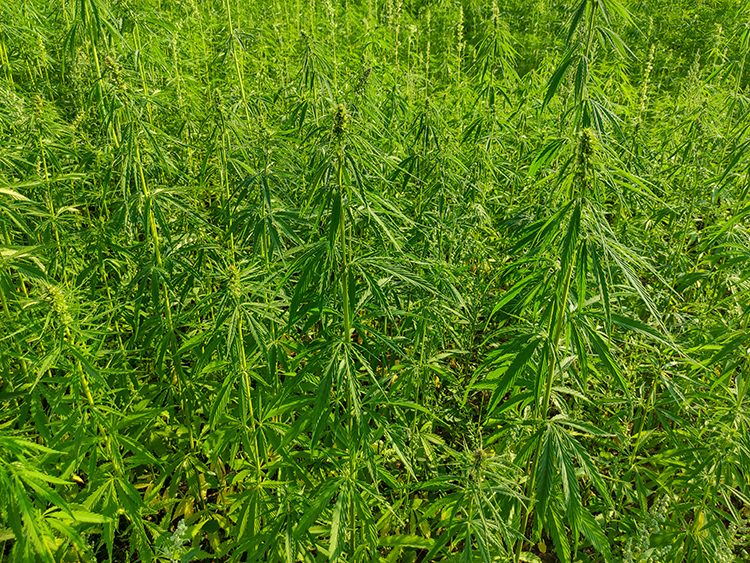
At Hicon, we view sustainability as an engineering challenge. We have integrated Hemp fiber—one of the world’s most regenerative materials—into our performance sock collection, offering a high-performance, eco-conscious alternative to traditional cotton.
Why Hemp Outperforms Traditional Fibers
Hemp is an environmental powerhouse that delivers superior yield and resource efficiency:
-
Water Efficiency: Hemp cultivation requires 70% less water than cotton, making it a critical choice for water-positive manufacturing.
-
Higher Yield: A single hemp plant yields 220% more fiber than a cotton plant on the same acreage, maximizing land utility.
-
Carbon Sequestration: Hemp is a potent carbon sink, capable of sequestering 4 times more CO2 than trees, actively contributing to environmental healing.
-
Clean Cultivation: Hemp is naturally resistant to weeds and pests, requiring zero pesticides or herbicides, ensuring a cleaner, safer fiber for your skin.
Hicon’s Hemp-Infused Engineering
We don’t just use hemp; we optimize it. Hicon expertly blends hemp with performance yarns to create socks that are naturally antimicrobial, durable, and highly breathable. By integrating hemp into our production line, we provide our partners with performance-grade outdoor gear that meets the highest standards of environmental responsibility.
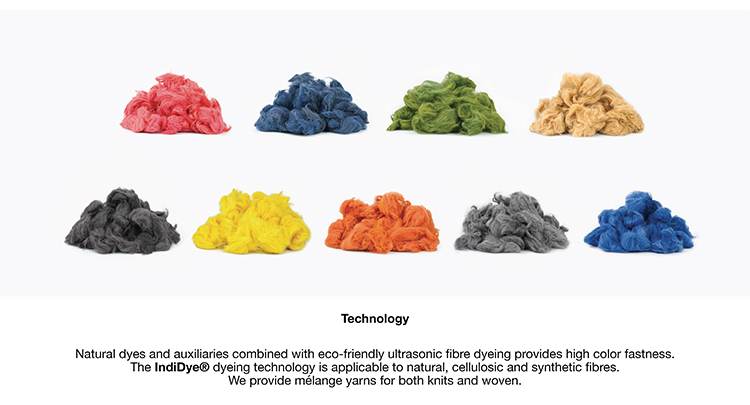
Hicon is partner to develop and applicate of Natural Plant Dye Cotton, Bamboo, Merino Wool and Synthetic Fiber.
Plant dyeing is the process of using natural dyes derived from various parts of plants, including leaves, roots, bark, and fruits, to color fabrics, paper, and other materials. Unlike synthetic dyes that use chemicals and petroleum derivatives, plant dyes are sustainable and eco-friendly.
The advantages of plant dyeing are numerous. Firstly, natural dyes are non-toxic and biodegradable, which means they don't harm the environment or people who come into contact with them. Secondly, plant dyes are renewable and abundant, as plants can be regrown and harvested without causing long-term harm to the ecosystem. Thirdly, using plant dyes supports local farming communities and traditional textile industries, which have been largely replaced by industrial processes in many parts of the world.
Plant dyeing also has a positive impact on the environment. Synthetic dyes can contain toxic chemicals that pollute waterways and harm aquatic life, and the production of synthetic dyes is energy-intensive and can contribute to climate change. In contrast, plant dyes are non-toxic and don't contribute to environmental pollution. Additionally, the production of plant dyes requires less energy than synthetic dyes, as the dyeing process is often done at lower temperatures and without the use of harsh chemicals.
Overall, plant dyeing is a sustainable and eco-friendly alternative to synthetic dyeing that has numerous advantages for both the environment and local communities. By supporting traditional farming and textile industries, reducing pollution, and promoting sustainable practices, plant dyeing is an important step towards a more sustainable and equitable world.